
Massage Treatments
Myotherapy is used to treat or prevent musculoskeletal pain and associated conditions, which can cause restricted joint movement. Myotherapy treatments involve assessments such as range of motion testing and the use of orthopaedic tests to help us understand the client's pain complaint, which in turn helps us plan and choose the correct treatment for the client.
Treatments may involve various massage techniques, such as Myofacial Release, Cross Fibre Friction, Trigger Point Release, Joint Mobilisation, Kneading, Manual Lymphatic Drainage, Strain Counter Strain, Stretching and PNF Stretching. Other accessory treatments are Myofascial Cupping, Dry Needling, Enar Therapy and Thermotherapies (such as infra red lamps for heat, Ice for swelling) are some of the modalities that can also be incorporated
Client self-care is also discussed and demonstrated at the end of the sessions.
Remedial Massage is performed to reduce musculoskeletal pain, reduce tension in tight muscles and helps improve joint range of motion. The pressure used varies depending on the area treated, and the pain level experienced by the client.
Assessment and orthopaedic testing are also performed to help us understand the clients' pain complaint and help plan the correct treatment
Different techniques used in the massage treatment can be Myofascial Release, Cross Fibre Friction, Trigger Point Release, Joint Mobilisation, Kneading, Manual Lymphatic Drainage, Strain Counter Strain, Stretching and PNF Stretching (Myofascial Cupping and Dry Needling if qualified).
Client self-care is also discussed and demonstrated at the end of the sessions.
Techniques used in our Massages
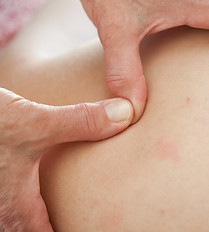
Trigger Pointing
Manually releasing trigger points (commonly known as knots) relieves pain, muscle tightness and weakness.
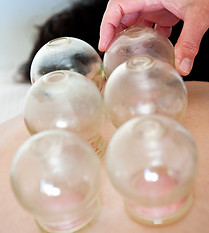
Cupping- Static
Suction cups, either glass or plastic, can be used in many different ways:
Static Cups are placed in one position, usually over trigger points to help release the specific body region, e.g. lower back.

Dry Needling
Fine acupuncture needles are inserted into trigger points as an alternative to manual trigger pointing.
Dry Needling can also be used if there are a few problem areas that require treatment in one session. The needles can be inserted in one problem area first then the therapist can work on another area while the needles are doing their job.

Cupping- Gliding
Cups are glided over the skin, which helps release fascia (connective tissue around the muscle) and decreases muscle tension.
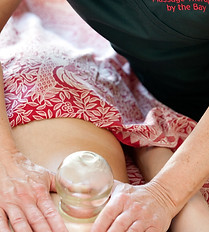
Flash Cupping
This technique is used to break up mucus in the chest and thoracic
area when someone has a cold or chest infection, cups are placed on the body then removed quickly, this is repeated over the upper back area.
Enar Therapy
(Electro Neuro Adaptive Regulator) works as an interactive therapeutic nerve simulator device. ENAR can be used on many types of painful Acute, Chronic, Holistic and Energetic Problems. Very helpful in reducing inflammation, can be used near joints, for sprains, strains and over the sinus area to address sinusitis problems. Other attachments can be used to mimic needling for those who just don't like needles!

Functional Cupping
Cups are placed in specific areas and used in conjunction with the movement of that area, great for athletes and all to increase the range of motion by releasing tight muscles.
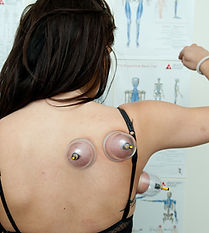
Enar Probes
There are many different Probes that can be used; Acuprobe to minic needling
Big and Small ball probes for face work
Bells for back work

Stretching and strengthening exercises
Stretching can be performed by the therapist during treatment or taught at the end of the session for the client to do at home. Strengthening exercises can also be prescribed as part of personal care.
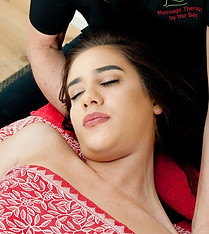
Myofascial Release
This technique involves deep tissue manipulation to work through the restricted or tight myofascial tissue (muscle and the connective tissue surrounding the muscle called fascia). A deep stretching force is applied to the tissue to elongate the tightened fascia and release the tightness in the restricted muscles.

Relaxation
Full body rhythmic flowing massage to help reduce stress, tension and muscle tightness
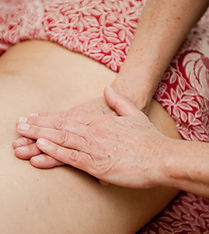
Manual Lymphatic Drainage
This technique involves very gentle strokes to reduce swelling, remove toxins and enhance the lymph flow around the body. This technique is excellent for treating Sinusitis, swelling due to sprains, strains and arthritic conditions.

Joint Moblization
This technique is used to restore movement in a stiff joint. The therapist moves the joint in its range of motion to release some of the restriction.

Assessment - Range of Motion
Assessment - Range of Motion testing is performed before treatment to gauge how much restriction is present in the area, it is performed after treatment to see improvement in movement.
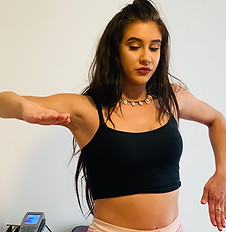
Orthopaedic Test
Orthopaedic test are sometimes performed at the beginning of the treatment to help work out any problem areas. These tests are also used to rule out any nerve or structural damage that may require a referral to a GP.

CONDITIONS WE HAVE TREATED or MANAGED
-
General tightness
-
Headaches/Migraines
-
Neck & Back Pain - muscle tightness, bulging disc symptoms
-
Sciatica
-
Chronic Overuse (RSI)
-
Tennis/Golfers elbow
-
Carpal Tunnel
-
Thoracic Outlet Syndrome
-
Frozen Shoulder
-
Bursitis
-
Tendonitis
-
Plantar Fascitis
-
Fibromyalgia
-
Perthes Disease
-
Osgood Schlatters
-
Sever's Disorder
-
Knee, hip & ankle pain - general and arthritic pain